

Hey, I’m Wyatt Garrison. Welcome to Deck Grove.
I’m the kind of person who slows down on evening walks to glance at ledger boards, railing posts, and stair stringers, not because I’m judging, but because I’m genuinely curious how things were built and how they’re holding up. I’ve spent more than a decade designing, building, and maintaining outdoor living spaces, and I started this site to make deck building and deck care feel doable for everyday homeowners.
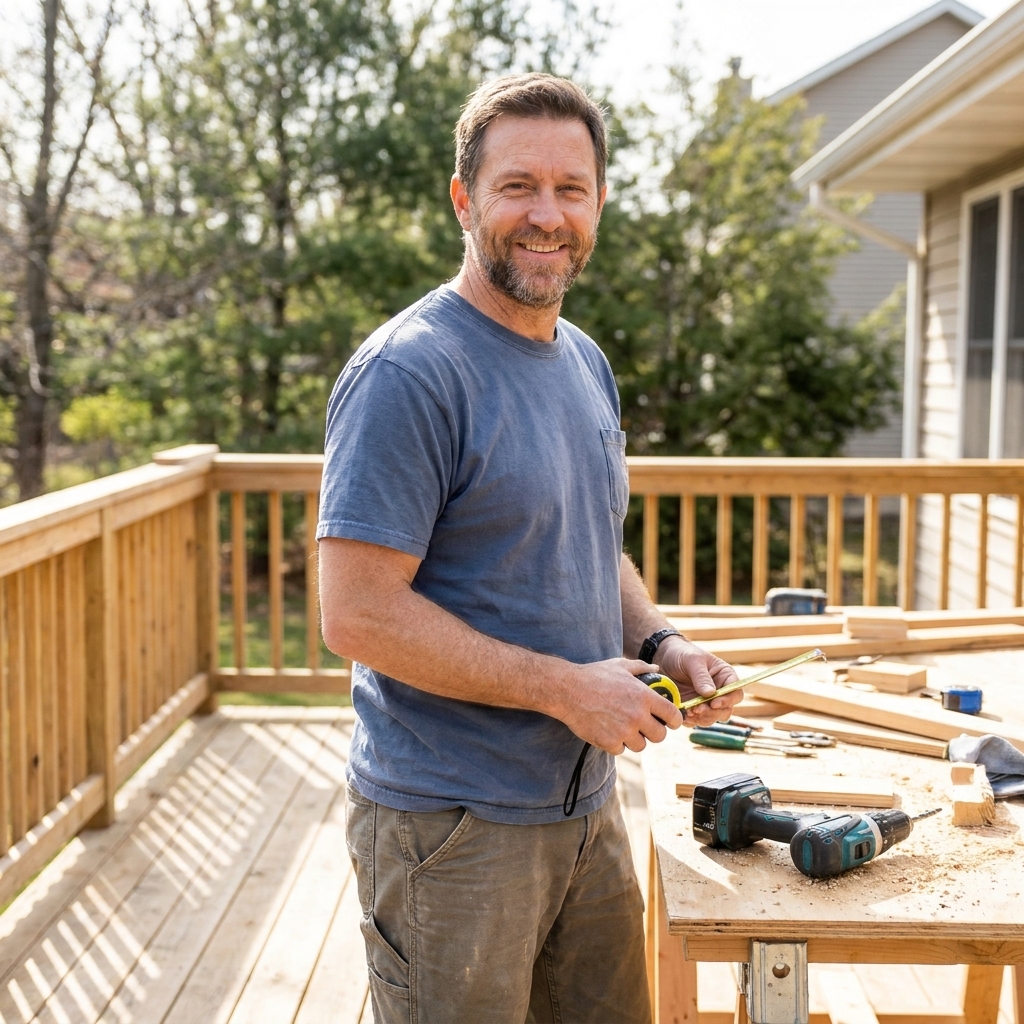
How I got into decks
I grew up helping my family fix up an old farmhouse. It was the classic kind of place where something always needed attention: a sagging porch step, a door that stuck in July, trim that had seen one too many wet winters. I learned early that wood is honest. If water gets in, it tells you. If fasteners are wrong, it tells you. If you skip a step, it definitely tells you a season later.
Twelve years ago, I built my first freestanding deck. I also made most of the mistakes you can make on a first build. I misjudged drainage, rushed through layout, and assumed I could “fix it later” on details that really needed to be right the first time. The deck stood, but it taught me a lesson I still repeat: outdoor projects forgive you slowly and punish you later.
That first build sparked a lifelong hobby that eventually turned into a steady stream of projects for friends, family, neighbors, and my own properties. Since then I’ve designed, built, and refinished dozens of decks, and I’ve had my hands on just about every stage: digging footings, framing, setting joists, choosing fasteners, laying boards, building stairs, and keeping the whole thing protected year after year.
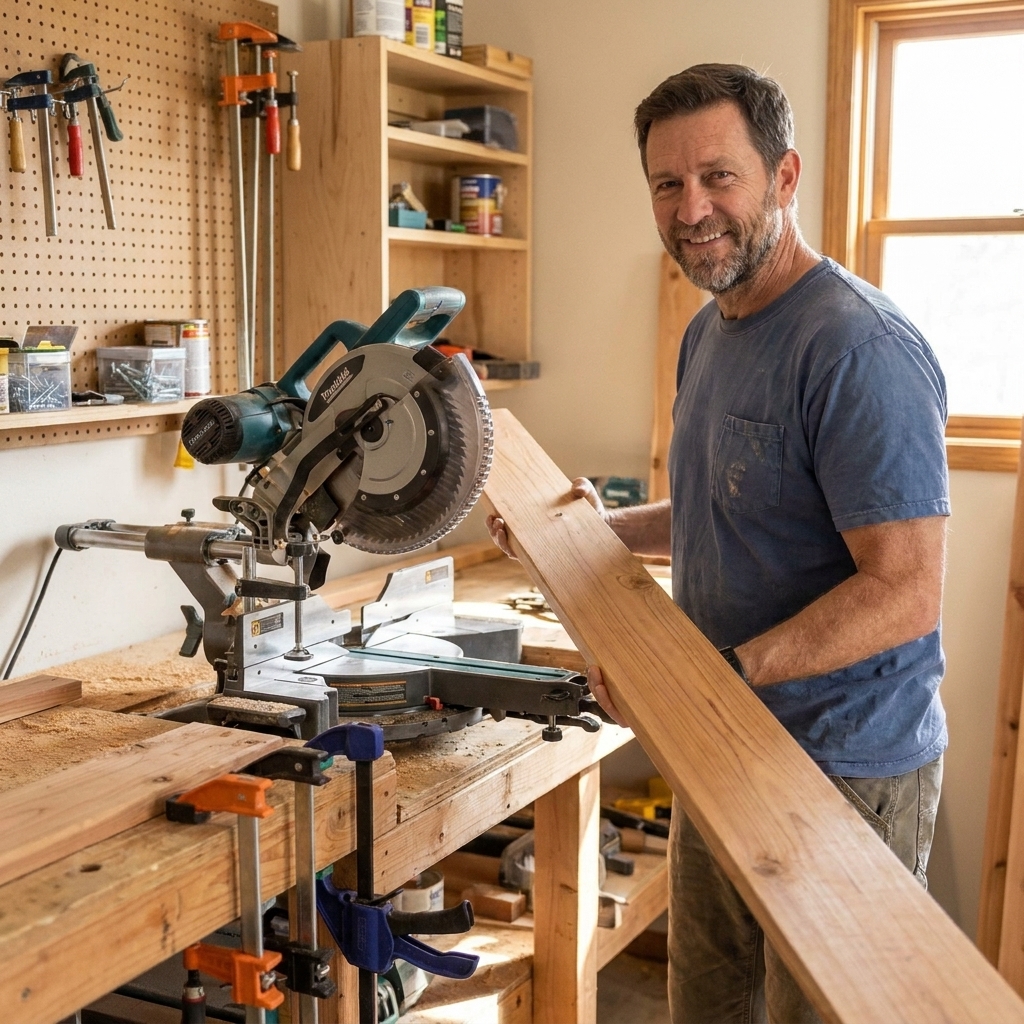
What Deck Grove is here to do
Deck Grove is for homeowners who want a deck that feels solid underfoot, looks good in the sunlight, and stays that way for the long haul. My goal is to take the guesswork out of the big decisions and the small ones: what material to choose, why boards cup, how to spot early rot, when to recoat, and what “good enough” looks like when you’re balancing time, budget, and weather.
For example, when I talk about cupping, I’m usually talking about moisture getting out of balance, like when the top of a board bakes in the sun while the underside stays damp. Little details like airflow, spacing, and finishing choices can make the difference between boards that stay flatter and boards that start fighting you.
Here’s what you can expect from my articles:
- Field-tested steps. I try things before I recommend them, and I’ll tell you what worked, what didn’t, and what I’d do differently next time.
- Plain-English explanations. I’ll explain the “why,” because knowing why makes you more confident when your deck doesn’t match a perfect textbook example.
- Safety-first guidance. Decks are outdoor living spaces, but they are also structures. When something affects strength, water management, or fall safety, I treat it seriously.
- Respect for your weekend. I like thorough, but I don’t like wasting time. The best projects are the ones you can finish cleanly and feel proud of on Sunday night.
If you’re new here, start wherever you are in the life of your deck. Planning a build? Head over to Deck Building Guides. Shopping for ideas and details? Browse Design & Inspiration. Trying to keep a decent deck from turning into a big repair? You’ll feel at home in Maintenance & Care. And if you’re staring at wobbly posts, splintered boards, or suspicious soft spots, go straight to Repair & Restoration.
What I focus on
I spend a lot of time on the unglamorous parts of deck ownership, because that’s where most decks either succeed or fail. I’m talking about drainage, fastening, board spacing, sealing end grain, keeping dirt from packing between boards, and catching small problems before they turn into structural ones.
I also enjoy the materials side of the work. I’ve worked with different lumber grades and species, experimented with composite materials, and used plenty of stains and sealers. The more I build, the more I believe there’s no single “best” product. There’s the best choice for your climate, sunlight, foot traffic, and maintenance habits. My job is to help you see those tradeoffs clearly so you can choose with confidence.
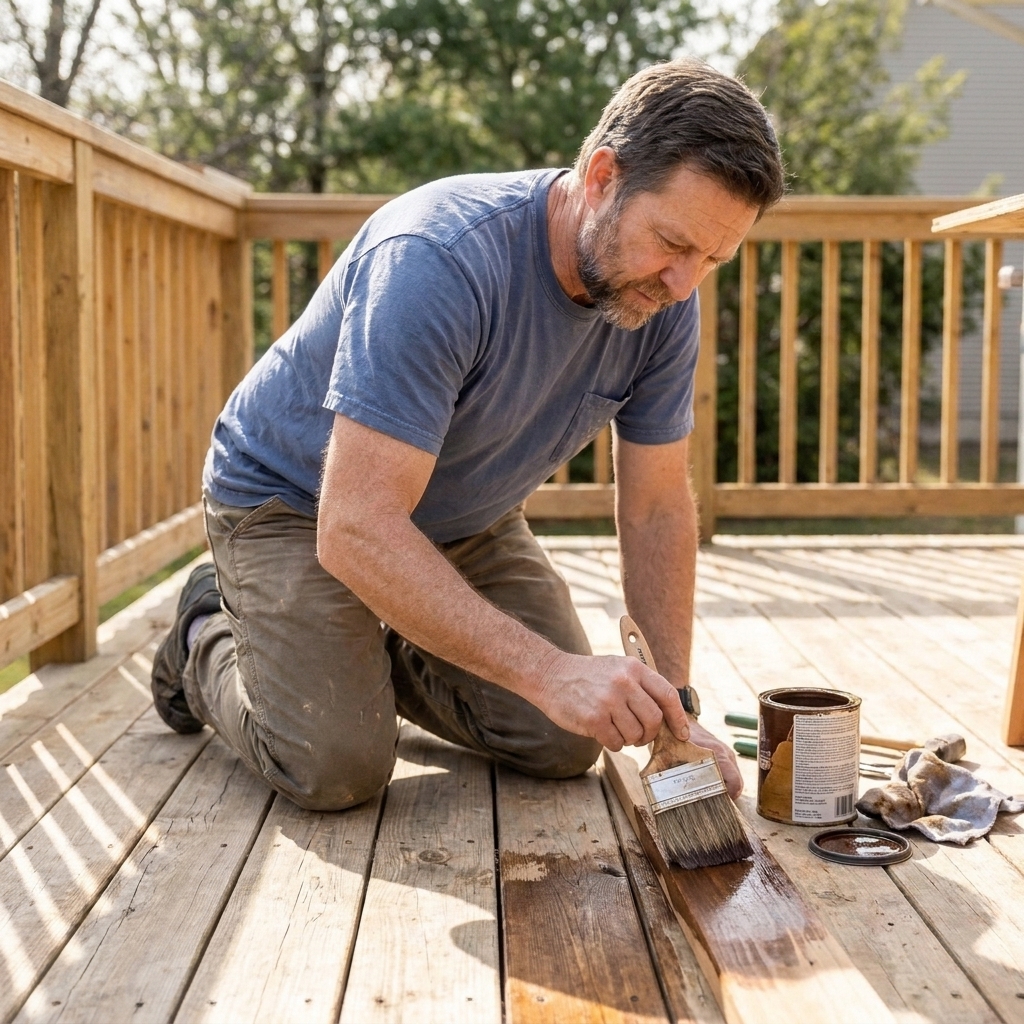
How I test advice
Most of my best advice comes from slow mornings and repeat work, not one-time hero projects. I’ll test a wood brightener on scrap before it touches a deck. I’ll measure twice, then measure again after coffee. I’ll look at how water runs during a hard rain. Then I’ll write the article I wish I had the first time around.
One important boundary: what I share here is general guidance from real-world projects. For anything structural, code-related, or permit-related, I always recommend checking your local building requirements and, when the situation calls for it, bringing in a qualified pro. A safe deck is a good-looking deck.
And yes, when I’m not sanding down cedar planks or checking the forecast for finishing weather, you can usually find me on a quiet Saturday morning with a cup of coffee on the very deck that taught me those early lessons.
Questions and corrections
I’m always glad to hear from readers, especially when you’ve got a tricky deck situation or you spot something that needs clarification. The fastest way to reach me is through the contact form at /contact/. If you include a few details about your deck material, age, and climate, I can usually point you in a helpful direction.
By using this site, you agree to our Terms of Service, and you can read how we handle information in our Privacy Policy.
Thanks for stopping by. Pull up a chair, take a look around, and let’s keep your deck sturdy, safe, and ready for the next backyard gathering.